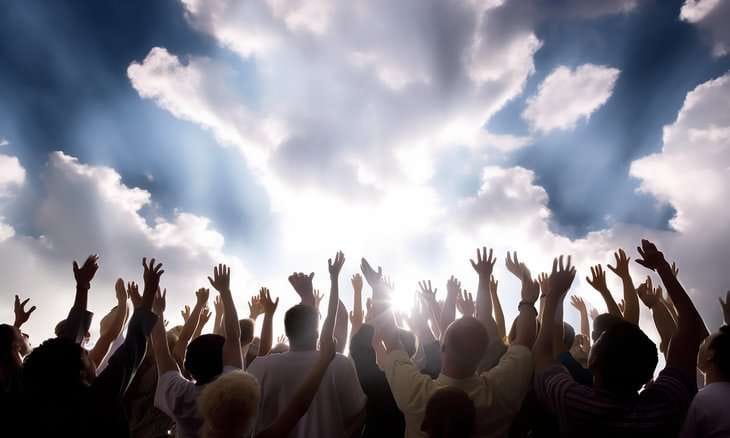
Raised To Eternal Life or Damnation
The concept of the First Resurrection is a profound and hope-filled doctrine in Christian eschatology, rooted in the promise of eternal life for those who belong to Jesus Christ. It is explicitly mentioned in Revelation 20, where it is contrasted with the second death, which is eternal separation from God.
Let’s explore this step by step, using Scripture and sound theology.
What Is the First Resurrection?
The term “First Resurrection” appears in (Revelation 20:4–6):
“I saw thrones on which were seated those who had been given authority to judge. And I saw the souls of those who had been beheaded because of their testimony about Jesus and because of the word of God. They had not worshiped the beast or its image and had not received its mark on their foreheads or their hands.
They came to life and reigned with Christ a thousand years. (The rest of the dead did not come to life until the thousand years were ended.) This is the first resurrection. Blessed and holy are those who share in the first resurrection. The second death has no power over them, but they will be priests of God and of Christ and will reign with him for a thousand years.”— (Revelation 20:4–6).
This passage teaches that the first resurrection is for those who have remained faithful to Christ—even unto death. They are raised to reign with Him during the Millennial Kingdom, a literal 1,000-year reign of Christ on earth.
Who Takes Part in the First Resurrection?
Those who participate in the first resurrection are described as:
Martyrs for Christ (Revelation 20:4).
Faithful believers who did not worship the beast or receive his mark.
Blessed and holy (Revelation 20:6).
This resurrection is not merely symbolic. It is a bodily resurrection of the righteous dead, distinct from the resurrection of the wicked, which occurs after the 1,000 years (Revelation 20:5, 12–13).
What Is the Second Death?
The second death is defined later in Revelation:
“Then death and Hades were thrown into the lake of fire. The lake of fire is the second death.”
— (Revelation 20:14).
Those who partake in the first resurrection are not subject to the second death. This means they are eternally secure in Christ, never to face judgment or separation from God.
Theological Significance
The first resurrection is a fulfillment of God’s promise to His people:
“Jesus said to her, ‘I am the resurrection and the life. The one who believes in me will live, even though they die; and whoever lives by believing in me will never die.”— (John 11:25–26).
“For the Lord himself will come down from heaven, with a loud command, with the voice of the archangel and with the trumpet call of God, and the dead in Christ will rise first.”— (1 Thessalonians 4:16).
These verses affirm that believers will be raised to eternal life, and this resurrection is the first in a two-part sequence: the righteous are raised first, and the wicked are raised later for judgment.
Early Church Understanding
As Sam Shamoun notes in “The Early Church on Christ’s Thousand Year Reign”, early Christians such as Hippolytus and others interpreted Revelation 20 literally, believing in a bodily resurrection of the saints who would reign with Christ for a thousand years. This view, known as premillennialism, was widely held in the early church.
What Happens in the 2nd Ressurection
The Second Resurrection refers to the final bodily resurrection of the unrighteous dead—those who did not belong to Christ during their earthly lives. This event occurs after the 1,000-year reign of Christ (the Millennium), and it leads directly to the Final Judgment before the Great White Throne. The outcome for those in the second resurrection is eternal separation from God, also called the second death.
Let’s walk through this carefully, using Scripture and the teaching of the Church.
What Is the Second Resurrection?
The second resurrection is described in (Revelation 20:11–13):
“Then I saw a great white throne and him who was seated on it. The earth and the heavens fled from his presence, and there was no place for them. And I saw the dead, great and small, standing before the throne, and books were opened.
Another book was opened, which is the book of life. The dead were judged according to what they had done as recorded in the books. The sea gave up the dead that were in it, and death and Hades gave up the dead that were in them, and each person was judged according to what they had done.” — (Revelation 20:11–13).
This resurrection includes all the dead who were not part of the first resurrection—those who died in their sins, having rejected God’s offer of salvation through Jesus Christ.
What Happens to Them?
After being raised, these individuals are judged by God according to their deeds. Because they are not found in the Book of Life, they are cast into the lake of fire, which is the second death:
“Anyone whose name was not found written in the book of life was thrown into the lake of fire.”
— (Revelation 20:15).
“Then death and Hades were thrown into the lake of fire. The lake of fire is the second death.”
— (Revelation 20:14).
This is not annihilation or temporary punishment—it is eternal separation from God, a conscious and irreversible state of judgment.
Why Are They Judged This Way?
Jesus Himself spoke of this final resurrection and judgment:
“Do not be amazed at this, for a time is coming when all who are in their graves will hear his voice and come out—those who have done what is good will rise to live, and those who have done what is evil will rise to be condemned.”— (John 5:28–29).
As St. Augustine explains in City of God, those who did not experience the first resurrection—that is, spiritual rebirth through faith in Christ—will rise in the second resurrection only to face judgment and the second death:
“They that have done evil, to the resurrection of judgment—these are they who shall not live, for they shall die in the second death… because they have not been renewed in the first or spiritual resurrection.”— City of God (Book XX, Chapter 9).
Is There Any Hope After This Judgment?
No. Scripture is clear that the second death is final. There is no repentance after death, no second chance after the final judgment. (Hebrews 9:27) affirms:
“Just as people are destined to die once, and after that to face judgment.”— (Hebrews 9:27).
This is why the gospel is so urgent. God offers forgiveness and eternal life now, during this life, through repentance and faith in Jesus Christ.
In Summary
The First Resurrection is the bodily resurrection of believers who are raised to reign with Christ during His 1,000-year kingdom.
It is distinct from the second resurrection, which involves the judgment of the wicked.
Those who partake in the first resurrection are blessed, holy, and secure from the second death.
This hope is grounded in the promises of Christ and affirmed throughout Scripture.
“Blessed and holy are those who share in the first resurrection. The second death has no power over them.”— (Revelation 20:6).
The Second Resurrection is the bodily resurrection of the unbelieving dead after the 1,000 years.
They are judged before the Great White Throne.
Because their names are not in the Book of Life, they are cast into the lake of fire—the second death.
This is an eternal, conscious separation from God.
“Blessed and holy are those who share in the first resurrection. The second death has no power over them.”— (Revelation 20:6).
If you are reading this and wondering about your own standing before God, know that today is the day of salvation (2 Corinthians 6:2). The first resurrection is for those who have been born again through faith in Christ. That invitation is open now—but not forever.
Have questions about salvation, or the return of Christ? We’ll be glad to help explore those with you. Feel free to Contact Us, or connect to Are You Heaven Bound or Faith and Salvation in Jesus God bless!